
Exploring the mind How psychology influences gambling behavior
The Psychology of Risk-Taking
Understanding the psychology behind gambling behavior begins with the concept of risk-taking. Individuals are often drawn to gambling due to the thrill associated with taking risks. This excitement can trigger the release of dopamine, a neurotransmitter linked to pleasure and reward, creating a positive feedback loop. The anticipation of a big win can overshadow the potential for loss, making the risk feel worthwhile. For those interested in alternatives, many now explore online casinos not on gamstop, which adds another layer to their gaming experience.
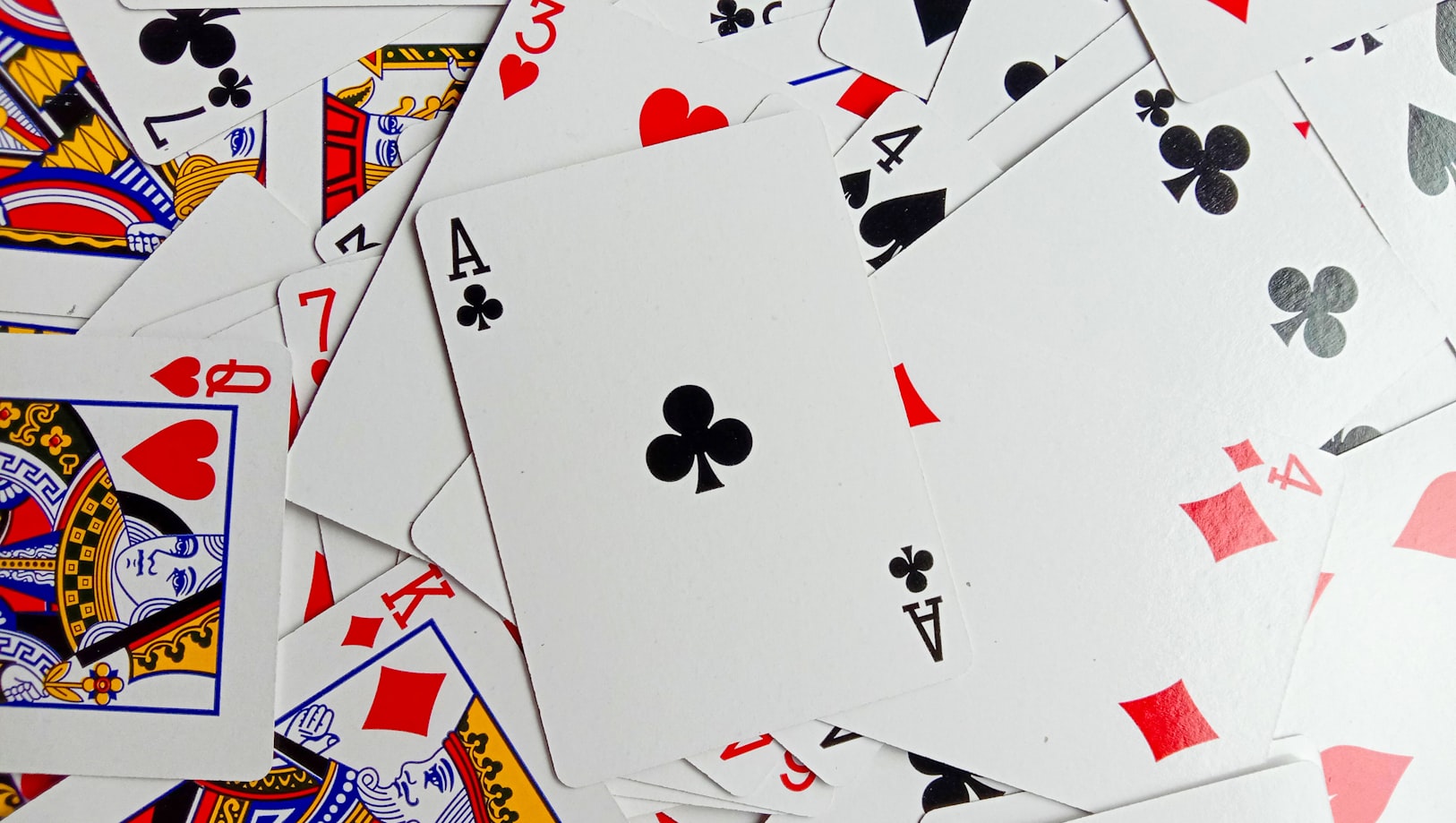
Moreover, the perception of risk is subjective and can vary greatly among individuals. Some may view gambling as a form of entertainment, while others may see it as a means to escape from life’s pressures. This difference in perception influences how people engage with gambling activities and affects their decision-making processes.
The Role of Cognitive Biases
Cognitive biases play a significant role in gambling behavior, often skewing an individual’s judgment. One common bias is the illusion of control, where gamblers believe they can influence outcomes in games of chance, such as poker or slot machines. This false sense of control can lead to increased gambling, as players feel empowered by their perceived abilities.
Another prevalent bias is the gambler’s fallacy, where individuals believe that past outcomes affect future results. For example, if a player has experienced several losses in a row, they may mistakenly assume a win is imminent. Such cognitive distortions can perpetuate gambling behavior, often resulting in significant financial losses.
The Impact of Environment and Social Influence
The environment in which gambling occurs can significantly impact behavior. Casinos are designed to be stimulating, with bright lights, loud sounds, and the scent of enticing foods. These elements create an atmosphere that encourages extended play, making it easy for gamblers to lose track of time and money.
Social influences also play a critical role in shaping gambling behaviors. Peer pressure can lead individuals to gamble more than they might on their own. Additionally, social norms surrounding gambling can either encourage responsible play or promote excessive behavior, depending on the community’s attitude towards risk and reward.
The Role of Technology in Gambling
Advancements in technology have transformed the gambling landscape, making it more accessible than ever. Online casinos and mobile apps allow individuals to gamble from the comfort of their homes, removing traditional barriers and increasing opportunities for engagement. This ease of access can lead to increased gambling frequency, especially among vulnerable populations.
Furthermore, technology enhances the gambling experience through immersive features like virtual reality and gamification. While these innovations can make gambling more enjoyable, they also raise concerns regarding addiction and responsible gaming practices. The blend of psychology and technology creates a complex relationship that requires ongoing examination.
About Living Coasts
Living Coasts serves as a platform dedicated to educating individuals about marine life and coastal conservation. While its focus is not on gambling, the psychological aspects of human behavior can be relevant in various contexts, including environmental awareness and conservation efforts. Understanding how psychology influences decisions can help foster a greater commitment to marine preservation.
In a world where technology and human behavior intertwine, Living Coasts emphasizes the importance of informed choices. By providing engaging content and fostering discussions, the platform aims to inspire a deeper connection to our oceans and the wildlife they support. This holistic approach reflects the necessity of understanding psychology in all areas of life, including our interactions with nature.