
The evolution of casinos A journey through time and culture
The Origins of Gambling and Early Casinos
The concept of gambling dates back thousands of years, with evidence found in ancient civilizations like China, Egypt, and Rome. Early forms of betting were often linked to social gatherings and community events, where games involving chance were played to entertain and forge connections. These early gambling activities laid the groundwork for what would eventually evolve into more structured casino environments. In ancient Rome, public gaming houses known as “tabernae” allowed citizens to gamble on various games, reflecting society’s intrigue with chance and fortune. Today, you can easily explore all betting sites from the comfort of your own home.

As societies developed, the need for regulation and organization of gambling activities became evident. By the 16th century, gambling houses began to emerge in Europe, particularly in Italy, where the term “casino” was first coined. These establishments combined the allure of games of chance with social spaces for the elite. The Venetian Casino, established in 1638, became one of the first official gambling venues, marking a shift towards the more sophisticated casino experience we recognize today.
The early casinos were typically ornate structures adorned with elaborate decor, reflecting the opulence of their patrons. They served not just as venues for gambling, but also as social hubs, where art, music, and dance flourished. This blend of entertainment and gaming established a cultural precedent that would influence the design and function of future casinos across the globe, showcasing the integral relationship between gambling and cultural expression.
The Rise of Land-Based Casinos in the 19th Century
The 19th century saw a significant transformation in the casino landscape, particularly with the establishment of casinos in France, Germany, and beyond. The Casino de Spa in Belgium and the Monte Carlo Casino in Monaco emerged as symbols of luxury and sophistication, attracting wealthy patrons from across Europe. These casinos introduced new games, including roulette and baccarat, contributing to the evolution of gambling culture. The architecture of these establishments became increasingly grandiose, featuring lavish interiors and intricate designs that mesmerized visitors.
Land-based casinos began to incorporate elements that enhanced the gaming experience. Many featured restaurants, ballrooms, and theaters, creating a multifaceted entertainment environment. This era marked the transition from simple gambling houses to expansive entertainment complexes. The social atmosphere became just as important as the gaming itself, leading to a more immersive experience for patrons.
Furthermore, the rise of railroads during the 19th century made it easier for people to travel to these gambling havens. This accessibility expanded the audience for casinos, bringing in not just the wealthy elite but also the middle class. This democratization of gambling contributed to a burgeoning casino culture, with cities like Las Vegas later taking inspiration from these European models to develop their unique identities in the gambling world.
The Boom of Casino Culture in the 20th Century
The 20th century witnessed an explosion of casino culture, particularly in the United States, with Las Vegas emerging as the epicenter of gambling. The legalization of gambling in Nevada in 1931 paved the way for the construction of extravagant resorts that offered not only gambling but also world-class entertainment and dining. The Flamingo, opened by mobster Bugsy Siegel in 1946, was one of the first to combine lavish accommodations with casino gaming, setting a new standard for the industry.
Las Vegas became synonymous with luxury and excess, with casinos designed to transport visitors into a different world. Architectural innovations, like the use of neon lights and themed designs, captured the imagination of gamblers and tourists alike. The iconic Vegas Strip transformed into a playground of opulence, where each casino competed for attention with increasingly elaborate designs, showcasing everything from replicas of famous landmarks to immersive experiences.
This period also saw the rise of corporate ownership of casinos, shifting the landscape from mob-run establishments to publicly traded companies. This evolution brought professionalism and stability to the industry, leading to a greater focus on customer experience and amenities. The fusion of technology and design became evident as casinos began to incorporate sophisticated systems for managing games and enhancing patron engagement, further refining the casino experience.
The Digital Revolution and Online Casinos
The turn of the millennium heralded a new era for casinos with the advent of the internet, giving rise to online casinos. The first online gambling sites emerged in the mid-1990s, allowing players to experience traditional casino games from the comfort of their homes. This shift not only expanded the audience for gambling but also revolutionized the way people engage with games of chance. Online casinos introduced innovative gaming experiences, including live dealer options, which replicate the real-life casino atmosphere.
Online gambling has thrived due to the convenience it offers, allowing players to gamble anytime, anywhere. Additionally, the ability to play on mobile devices has further enhanced accessibility, making it easier for a new generation to participate. As technology continues to evolve, online casinos are integrating virtual reality and augmented reality, creating immersive environments that mirror the excitement of physical casinos.
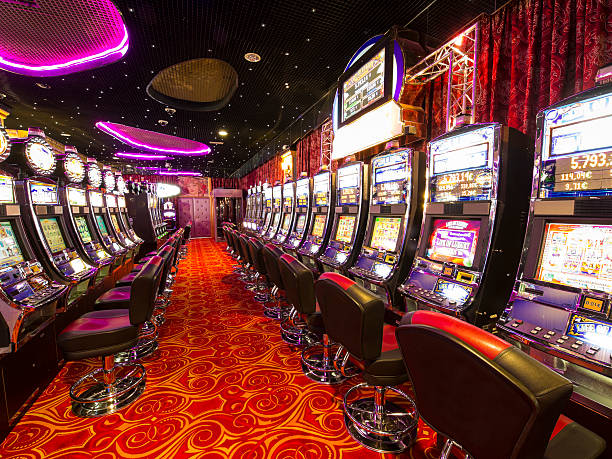
This digital transformation has also influenced the design and architecture of land-based casinos. Many establishments are now incorporating technology into their layouts, such as interactive displays and mobile gaming stations. Furthermore, the integration of social media and online gaming platforms allows casinos to connect with their audiences in innovative ways, fostering a new sense of community among players, both online and offline.
Conclusion and Future Perspectives
The evolution of casinos is a testament to the interplay between culture, architecture, and technology. From ancient gaming houses to modern digital platforms, casinos have continuously adapted to societal changes and technological advancements. As we look to the future, the potential for further innovation in casino design and functionality remains vast. The integration of technology, combined with an emphasis on experiential design, will likely shape the next phase of the casino experience.
While the landscape of gambling continues to evolve, the essence of casinos as spaces of entertainment and social interaction endures. Whether in brick-and-mortar establishments or virtual environments, casinos will remain a significant part of cultural fabric across the globe. The ongoing dialogue between tradition and innovation will undoubtedly lead to exciting developments in the world of gambling, drawing in new audiences while catering to long-time enthusiasts.